Welcome Welcome to Bear Country
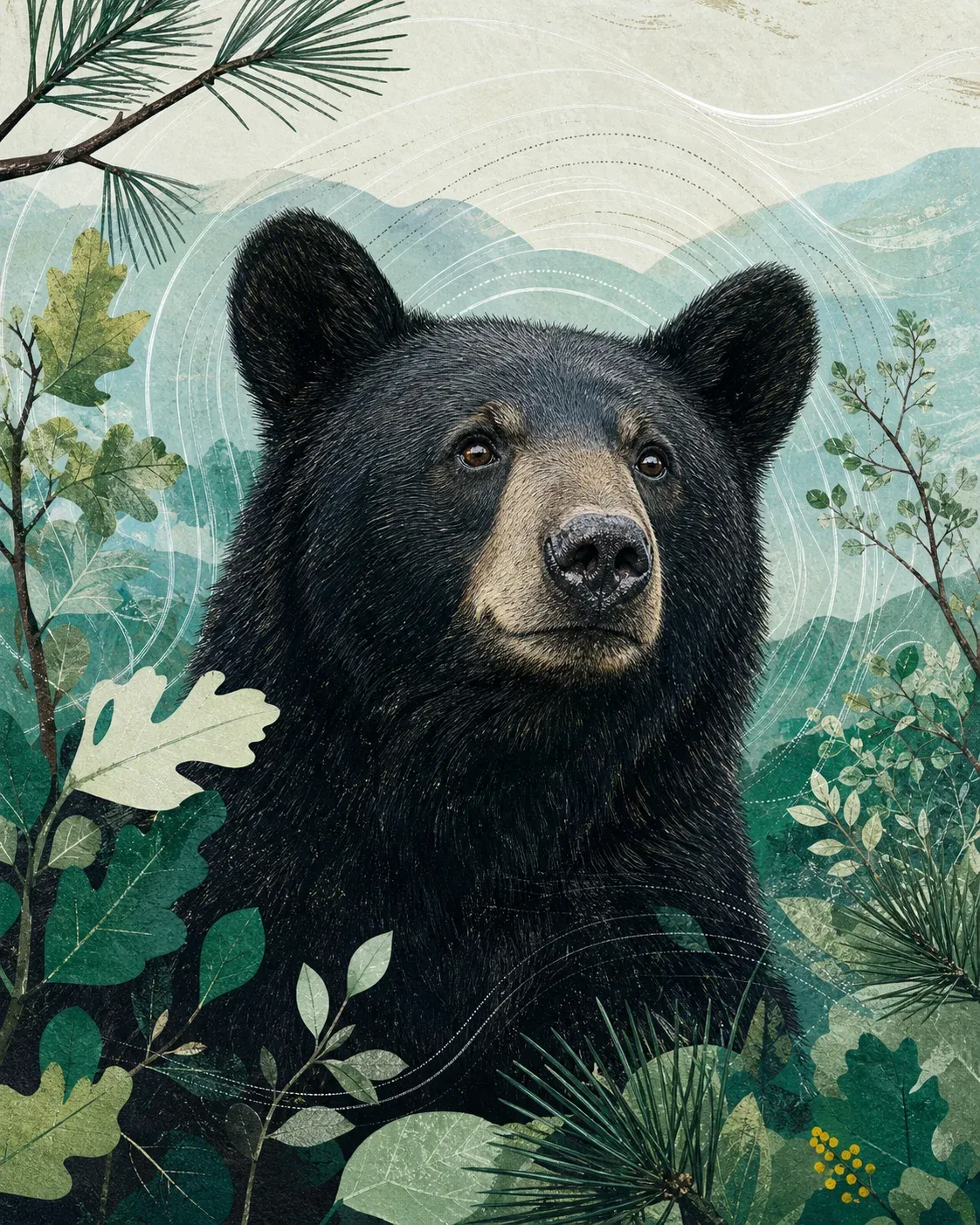
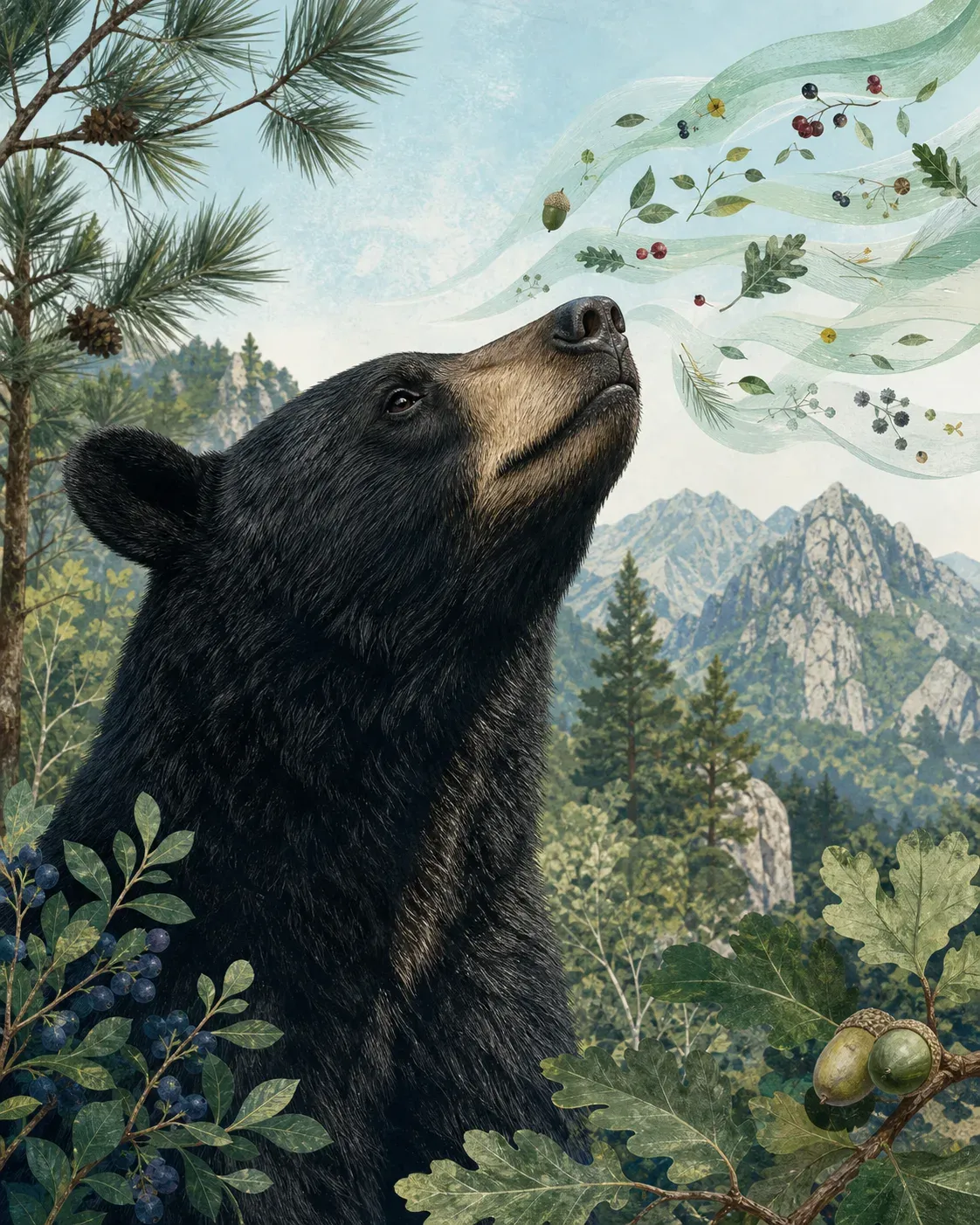
These mountains are home to the American black bear and to hundreds of species that, long before us, found food, shelter and a place to live here. Every trail, every tree and every stream is part of a living territory we also depend on.
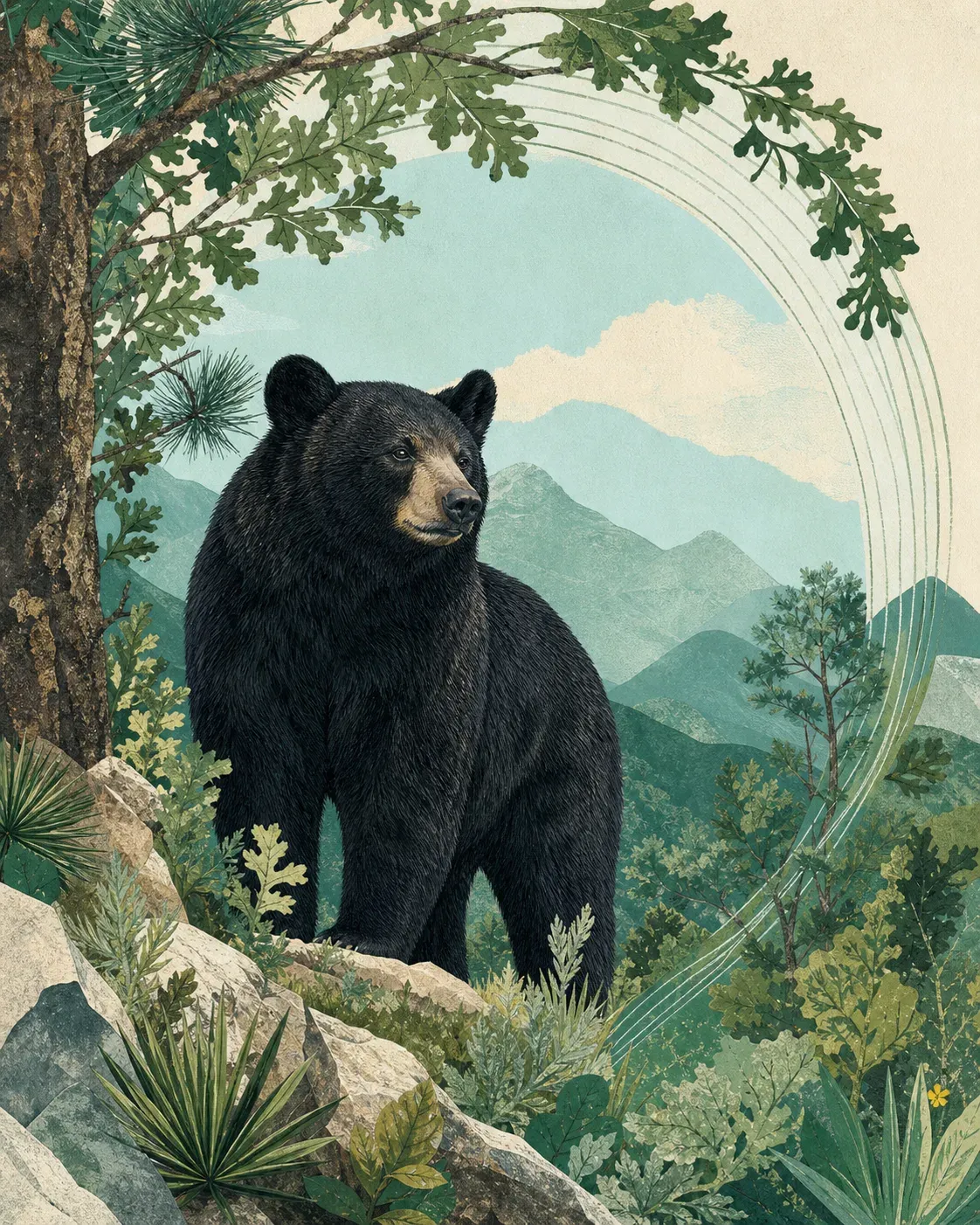
Coexisting in Bear Country is an invitation to look at this landscape with different eyes. To understand that coexisting does not mean taking the center, but recognising that we share this space with other forms of life and that every decision we make leaves a trace.
Because when we care for the forest we are not only preserving the bear's home: we are also protecting water, biodiversity and the balance that makes everyone's life possible.
Nuevo León black bear
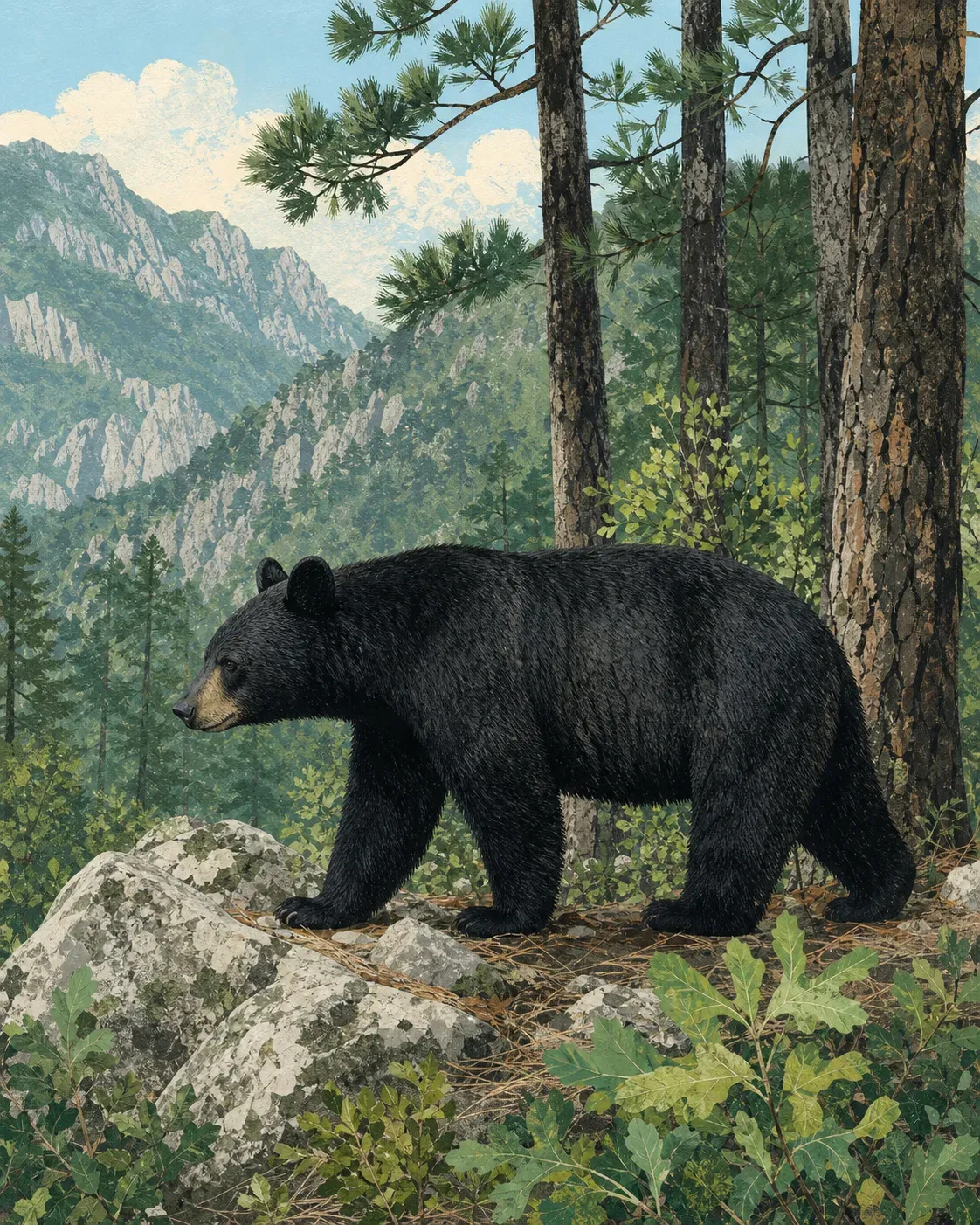
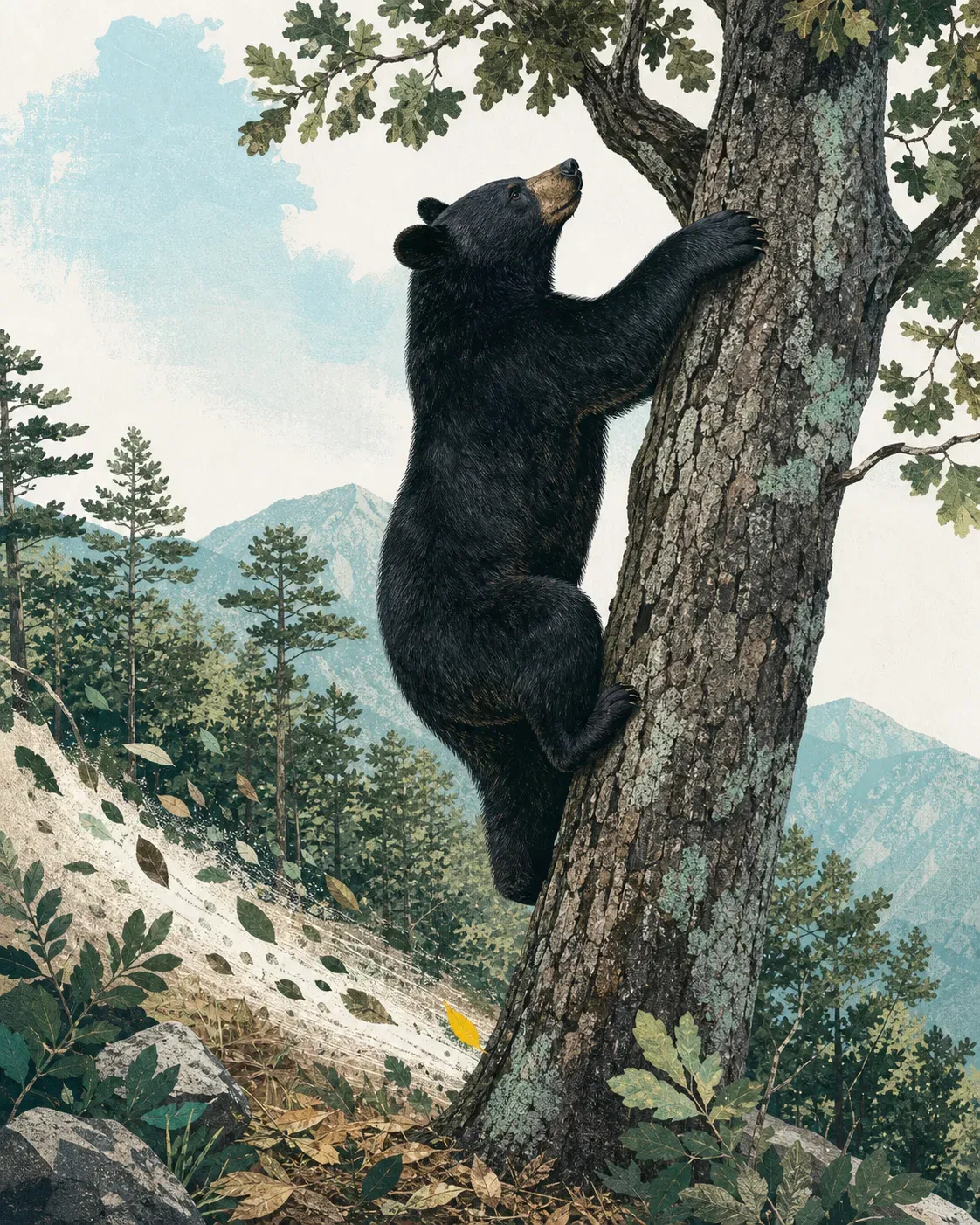
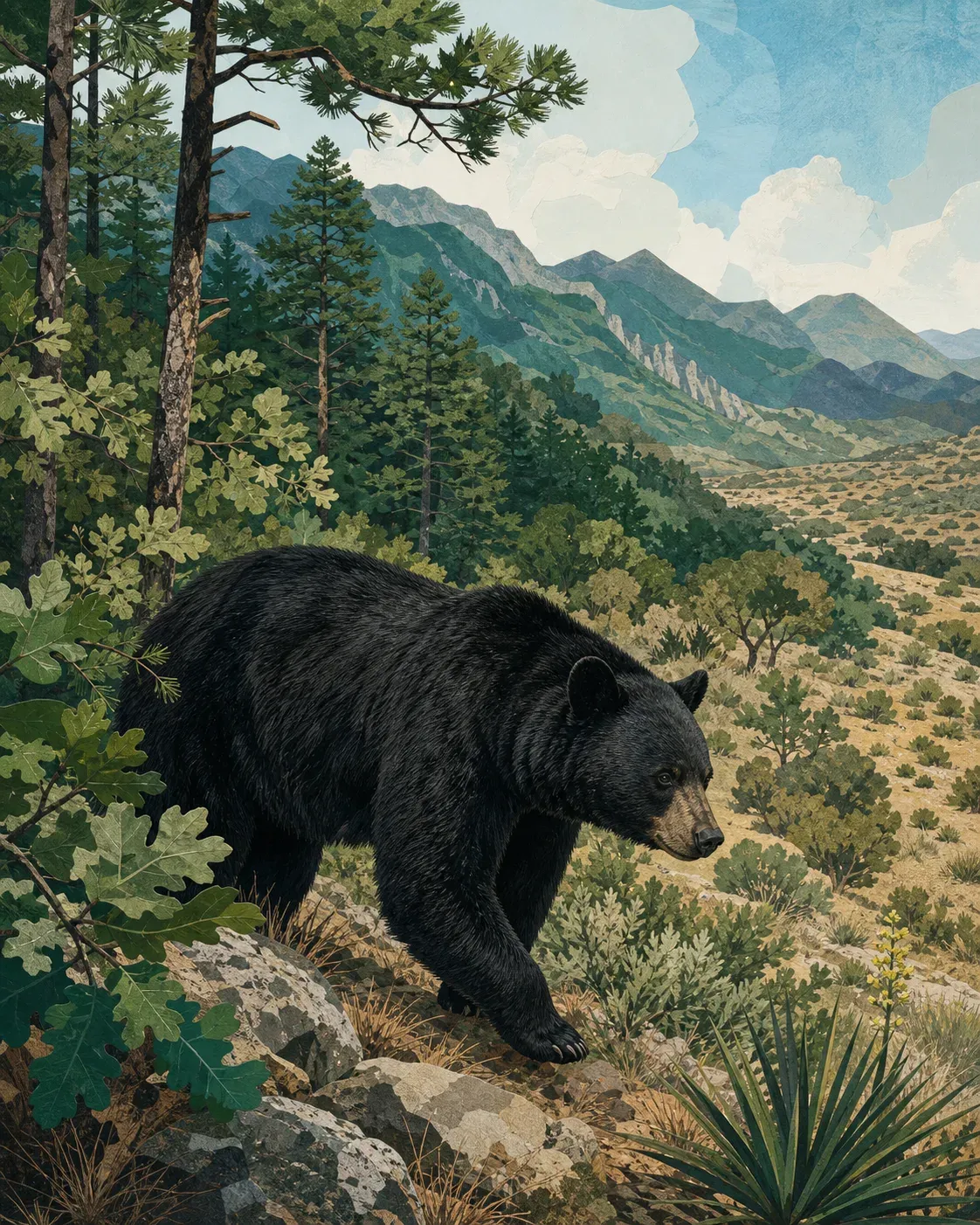
Ursus americanus eremicus — the largest mammal living in Chipinque.
Description. Its coat is usually black, with reddish-brown variations and greyish or yellowish areas around the muzzle and eyes. It is intelligent, curious and has highly developed senses.
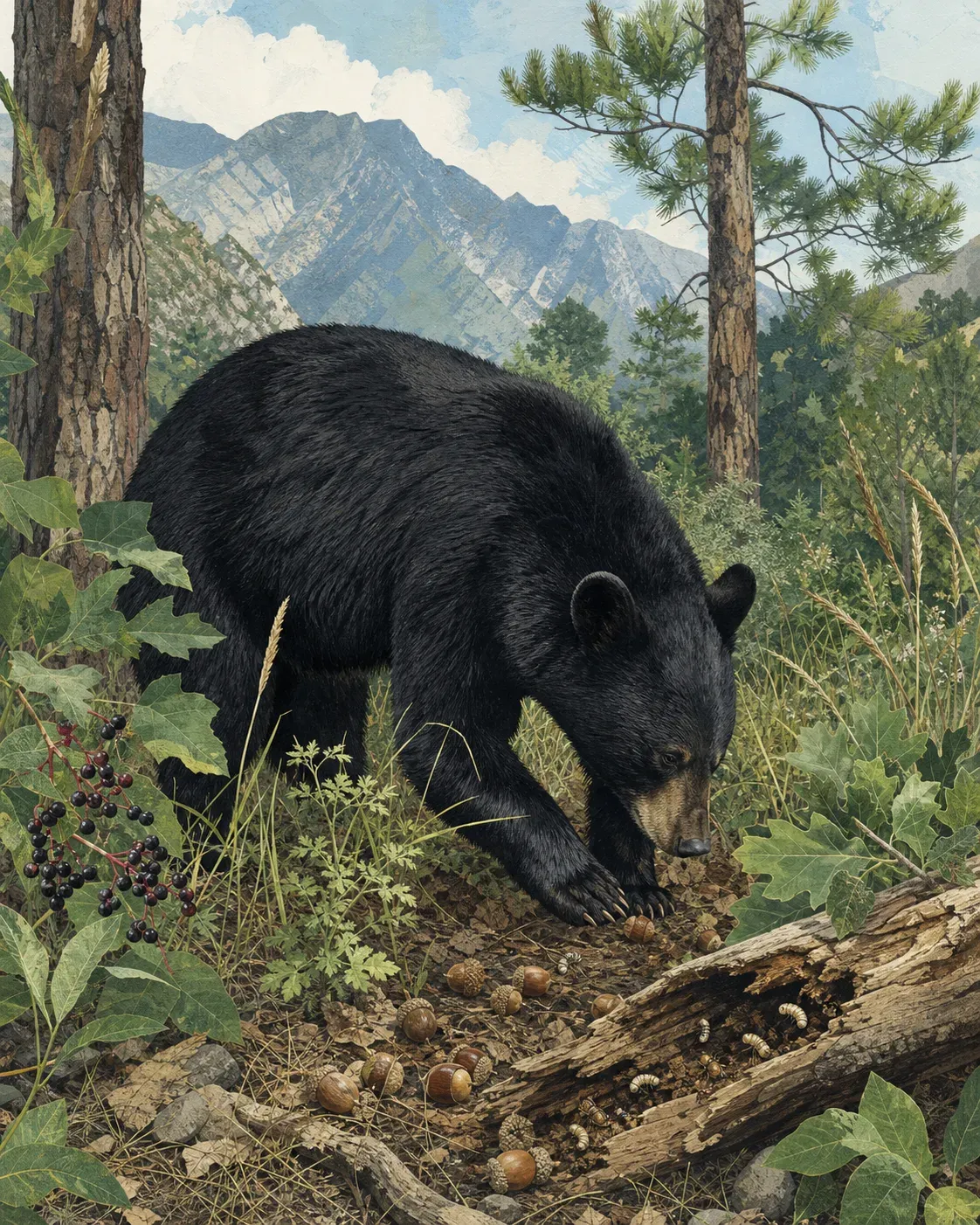
Diet. Omnivorous: grasses, shoots, leaves, fruit, honey, seeds such as acorns, small animals, insects, larvae and occasionally carrion.
Habitat. Pine, oak and mixed forests, dry scrubland and the interface between these ecosystems.
How it works on the ground
We work across the Monterrey Metropolitan Area, mainly along the urban-forest interface of Monterrey and San Pedro Garza García: that is where the forest and the city meet.
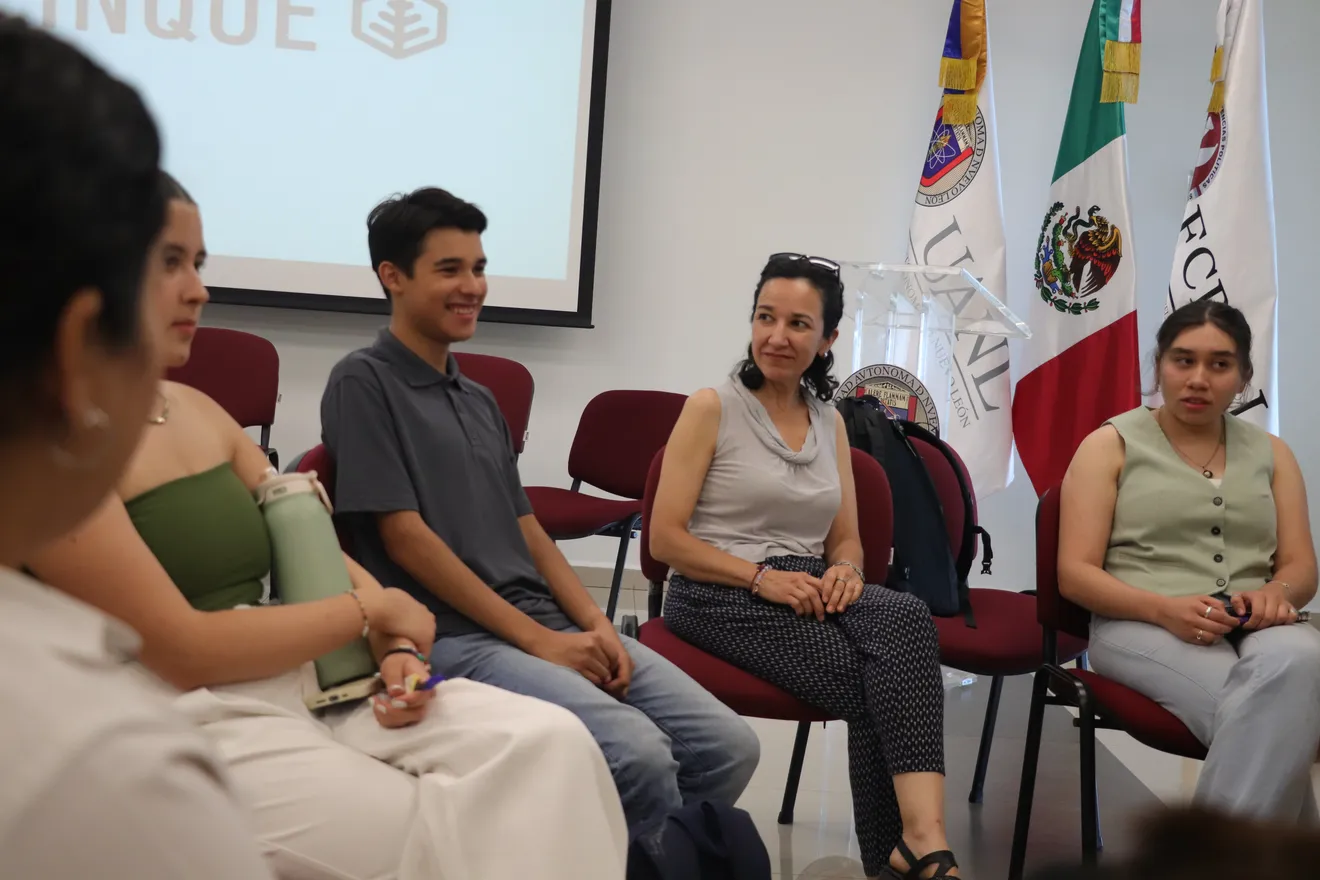
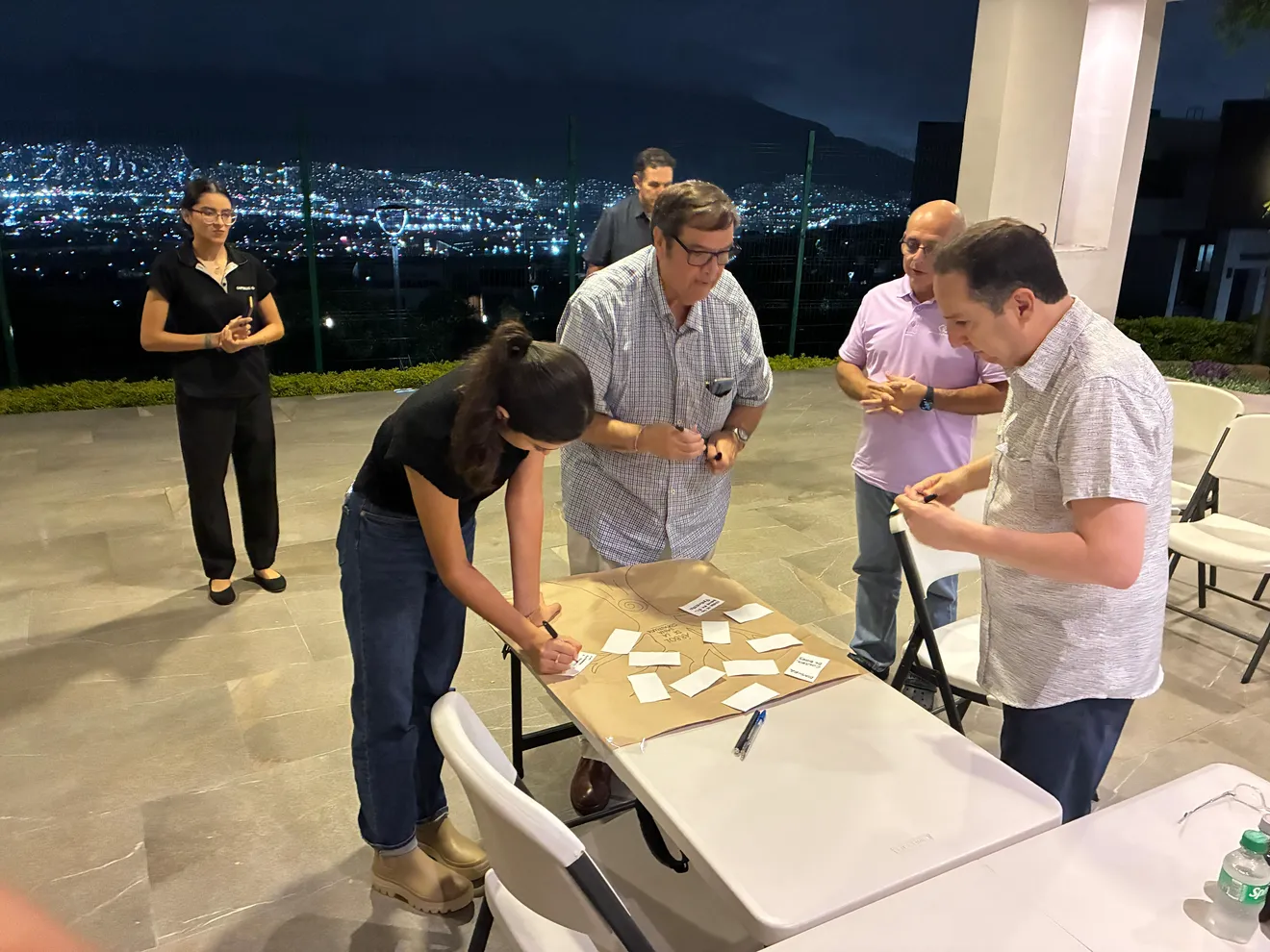
- Neighbourhood meetings.
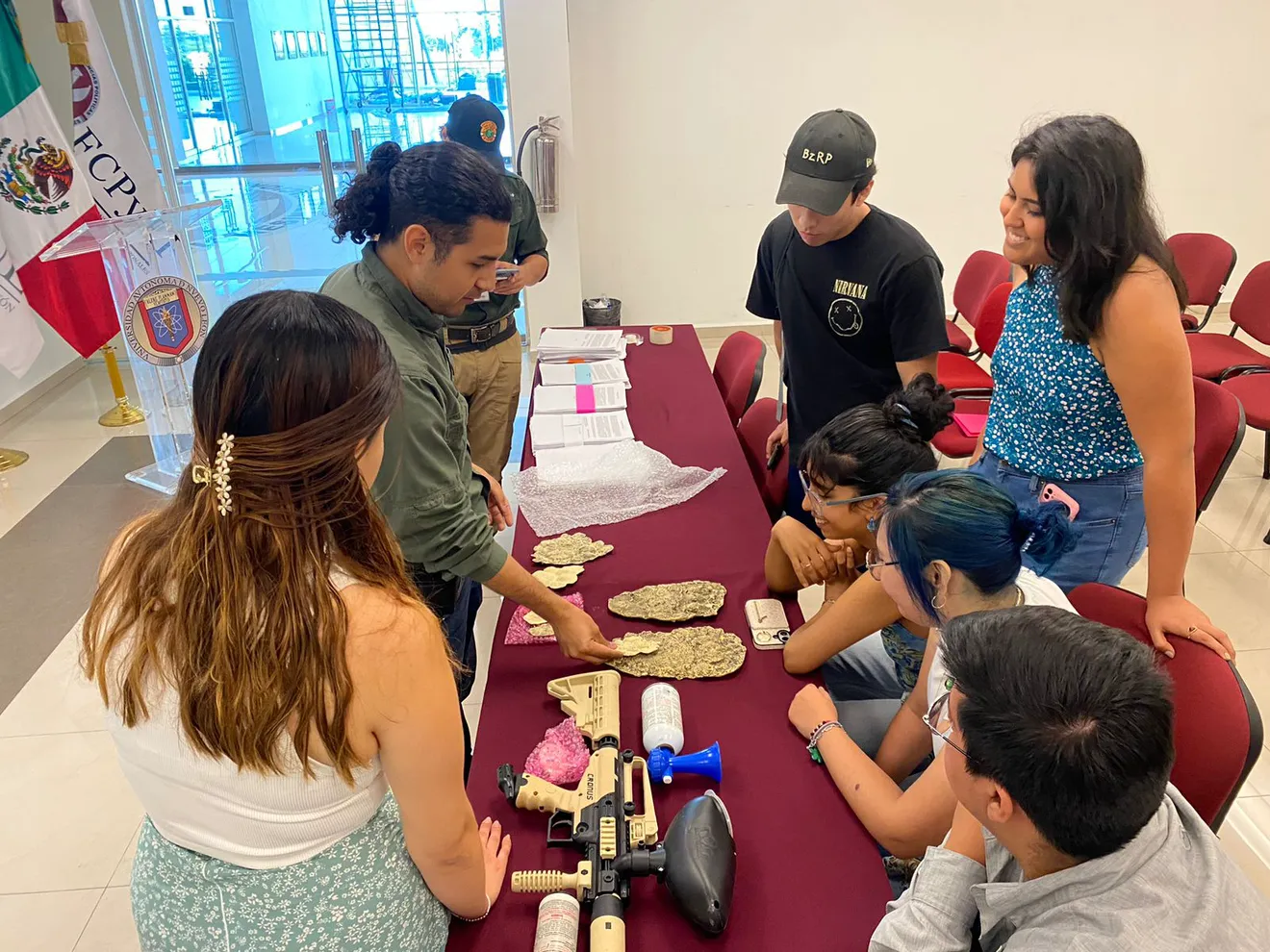
- Collective action labs.
- Spots on mass media.
- A year of neighbourhood support with digital documentation.
- Visual campaign across the urban-forest area.
- Natural Festival: Coexisting in Bear Country.
Chipinque, caring for the biocultural heritage
Chipinque Natural Reserve reaffirms its commitment to preserving the Biocultural Heritage of Nuevo León and building a culture of respect and care for the environment. We urge institutions, authorities, companies, and the general public to join Coexisting in Bear Country, thereby strengthening the positive impact on black bear conservation and the quality of life throughout the Monterrey Metropolitan Area.